
Who Needs a Collaborating Physician 2026 Guide


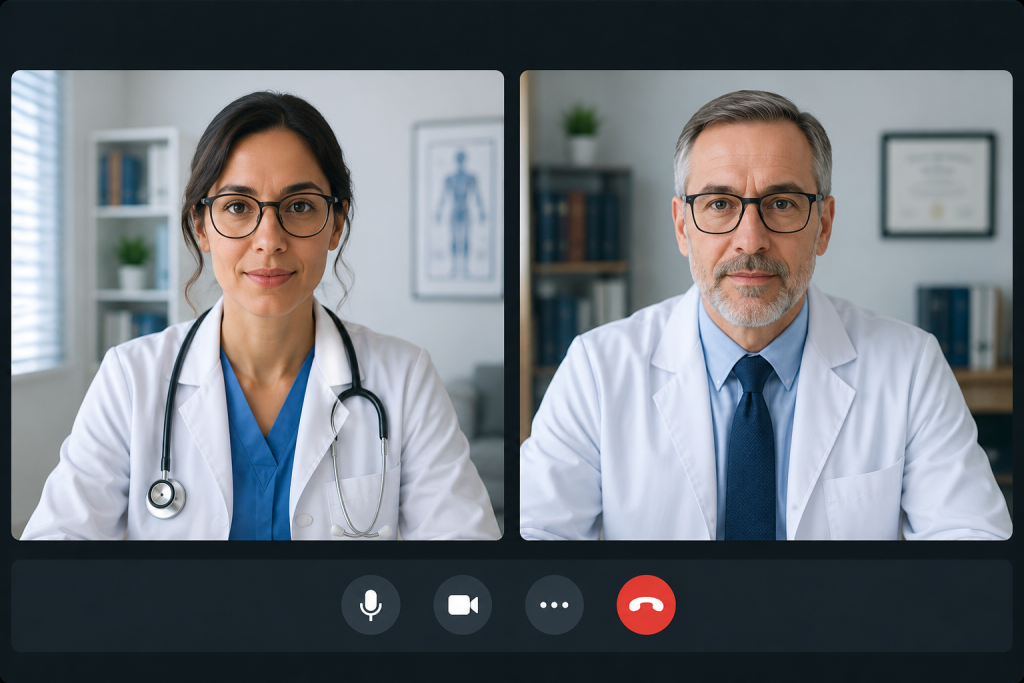
virtual video call between a physician and medical director discussing patient care remotely
Real-time virtual calls are becoming a common method of collaboration between healthcare providers and medical directors.

Questions around who needs a collaborating physician continue to come up as healthcare delivery models expand in 2026. The answer can vary based on provider type, services offered, and how requirements differ by state.

With more practices shifting into hybrid care models and telehealth environments, the idea of a remote medical director has become increasingly relevant. These arrangements can offer flexibility compared to traditional in-person structures, especially for providers working across multiple locations or states.

Before getting into specifics, it often helps to understand how these relationships are structured in real practice settings. If you’re evaluating your own setup, review how collaboration models are typically approached through Doctors for Providers to get a clearer sense of what may apply to your practice.


What Is a Collaborating Physician

A collaborating physician is generally a licensed medical doctor who works alongside another healthcare provider to support patient care and clinical decision-making. The relationship is often designed to support alignment rather than direct day-to-day control.

In many cases, the structure is shaped by how services are delivered and what the practice is trying to accomplish. Some arrangements are more consultative, while others may include more structured communication depending on the setting and expectations involved.

Because these models can vary widely, providers often look at real-world examples of how collaborating physician relationships are structured across different types of practices. This helps make the concept more practical rather than theoretical.

provider reviewing patient data during a virtual consultation with medical director
Remote medical director models allow collaboration without in-person limitations.

Who Needs a Collaborating Physician in 2026

For nurse practitioners, physician assistants, telehealth providers, and certain specialty practices, collaboration needs can vary significantly. Some providers may be able to work more independently depending on state requirements.

Nurse practitioners, for example, may encounter different expectations depending on whether they are practicing in a full practice authority state or one that still outlines collaborative structures. Physician assistants may also operate under defined agreements that vary by location and practice type.

Telehealth providers may encounter additional complexity when delivering care across state lines. In those cases, a remote medical director structure can sometimes be used to help support multi-state alignment. Med spas and aesthetic practices may also use collaboration models depending on the procedures offered and how clinical oversight is structured.


Key Insight: Collaboration structures are often shaped more by how care is delivered than by a single universal rule, which is why reviewing your specific setup is important.

How Scope of Practice Impacts Collaboration

Scope of practice plays a major role in how collaboration is structured. It helps define what a provider can do independently and where additional clinical alignment may be helpful depending on the situation.

Because each state defines scope differently, expectations around collaboration can also vary. Some providers find it useful to review how physician oversight for NPs is structured in different clinical environments through physician oversight for nurse practitioners to better understand how these relationships are typically organized.

Key Risks and Liability Considerations

Risk considerations in collaboration agreements often come down to clarity. When roles are clearly defined and communication is consistent, it can help reduce confusion around responsibility.

However, when expectations are unclear or documentation is limited, it could create challenges that are harder to manage over time. For that reason, many providers take time to review agreements carefully and update them as their services evolve.

Red Flags When Choosing a Collaborating Physician

Not all collaboration arrangements function the same way in practice. One common issue providers encounter is misaligned expectations, especially when availability or communication styles do not match the needs of the practice.

In some cases, agreements may also lack clarity around responsibilities or feel outdated compared to how services are actually being delivered. These gaps can create friction if not addressed early.


“Most collaboration challenges come from misalignment, not complexity.”


Understanding CPOM and Practice Structure

Corporate Practice of Medicine considerations can sometimes influence how a practice is structured depending on the state and ownership model. These rules may affect how collaboration agreements are designed and how clinical roles are defined within a business.

Because of this, some providers take a closer look at how structure impacts flexibility and compliance before finalizing agreements.


How to Find the Right Collaborating Physician

Finding the right collaborating physician often depends on alignment more than speed. Providers often look for someone with relevant experience, familiarity with their state environment, and comfort working within a flexible or remote structure when needed.

The timeline can vary widely. Some providers may move quickly when there is a strong match, while others take more time when looking for a specific specialty fit or communication style. A more detailed breakdown of timing and expectations can be found in this guide on how long it takes to find a collaborating physician.


How to Stay Informed and Aligned

Staying aligned over time usually comes down to consistency. Many providers regularly review updates, revisit documentation, and make sure communication channels remain clear.

Ongoing education can help providers stay ahead of changes in the field. Resources like the Doctors for Providers blog often provide updates and practical insights that reflect real-world practice changes.

calm nature scene representing balance and wellness

FAQ Section

Can collaboration requirements change over time?

Yes, collaboration requirements can change as state regulations, board policies, and standards of care evolve. They may also shift as a practice adds new services, locations, or provider types, so agreements should be reviewed regularly.

A collaborating physician is not always required, and the need depends on state practice laws, provider type, and services offered. Providers should verify rules in each state where they practice before deciding on a structure.

A remote medical director is a physician who provides medical leadership or consultation without being physically on site. Their role may include reviewing charts, aligning on protocols, and being available for questions via phone or video under a defined agreement.

Collaboration is generally more consultative, focusing on access to physician input and shared decision-making. Supervision usually involves more structured oversight, such as required chart reviews, co-signatures, or mandated levels of direct control depending on the setting.

Telehealth providers may need collaboration depending on the states where they are licensed and where patients are located. Requirements can also vary based on whether they are diagnosing, prescribing, or delivering higher-risk services remotely.

Common challenges include vague expectations about roles, availability, and decision-making authority. Misalignment on communication, compensation, or clinical philosophy can also create friction if not clearly addressed in the agreement.

Yes, collaboration structures often evolve as a practice adds services, locations, or providers. Many practices refine expectations, oversight, and meeting cadence over time to match their growth and risk profile.

Providers usually look for a physician with relevant clinical experience and a compatible communication style. Reliability, responsiveness, and a shared approach to patient safety and ethics also play a key role in the decision.

Providers can learn from real-world experiences by reviewing shared outcomes and stories on the testimonials page to understand how collaboration works in practice. These insights help them understand how collaboration works in practice and what to look for in an agreement. You can review shared outcomes on the providers testimonials page.

General questions can be explored in more detail on the FAQ resource page. That page offers additional context on common scenarios so providers come prepared with more specific questions for legal, regulatory, or advisory support.

Offsite Resources For You

Resource

Link

Description

American Medical Association

https://www.ama-assn.org/

Physician standards and policy guidance

American Association of Nurse Practitioners

https://www.aanp.org/

NP scope of practice resources

Federation of State Medical Boards

https://www.fsmb.org/

Licensing and regulatory information

National Council of State Boards of Nursing

https://www.ncsbn.org/

Nursing regulation guidance

Centers for Medicare and Medicaid Services

https://www.cms.gov/

Federal healthcare policy updates

Health Resources and Services Administration

https://www.hrsa.gov/

Telehealth and workforce resources

Office of Inspector General

https://oig.hhs.gov/

Compliance and enforcement guidance

What's Next?

Understanding who may need a collaborating physician is often the first step in building a compliant and functional practice structure. The next step is determining what setup best fits your services, workflow, and state environment.

Many providers find that a short conversation can help clarify their specific situation, especially when evaluating options like a collaborating physician or a remote medical director arrangement.

If you’re at the stage where you want to review what this could look like for your practice, you can reach the team directly at 1-855-362-4776. You can also schedule a free consultation with a collaborating physician specialist.

dr lev grinman headshot Dr. Lev Grinman is a board-certified neurologist and sleep medicine physician with a clinical focus on intraoperative monitoring. He brings clinical expertise to topics affecting physicians, patient care, and the operational realities of modern medical practice. Dr. Grinman lives in New York with his wife and three children.