Nurse practitioners (NPs) and clinics are increasingly on the front lines of patient care, managing complex cases and coordinating treatments. As the healthcare landscape evolves, physician oversight may be required depending on state laws and practice structure. Working with a Medical Director can help support regulatory requirements while helping ensure patient safety and reduce legal and financial risk.
Proper oversight helps clinics reduce errors, streamline operations, and maintain compliance with state and federal regulations. Without it, clinics may face increased liability exposure, malpractice claims, and corporate practice of medicine (CPOM) violations.
This article explores what physician oversight entails, why it matters for NPs and clinics, how to implement it effectively, and how to reduce risk through compliance and collaboration.
For clinics looking to implement oversight, our collaborating physician services connect you with physicians nationwide and provide structured support tailored to your state, services, and practice model.
What Is Physician Oversight?
Definition and Role
Physician oversight refers to the guidance, supervision, and collaboration that a licensed physician provides to NPs and other clinicians. Oversight can range from direct supervision in clinical decision-making to reviewing protocols, policies, and quality metrics. Physician oversight helps ensure patient care meets professional and legal standards while supporting the NP’s scope of practice. Active physician involvement helps clinics identify potential errors before they affect patients.Key Responsibilities
- Clinical review and decision support: Physicians review patient cases and provide guidance on treatment plans.
- Policy and protocol monitoring: Oversight includes creating, updating, and enforcing clinic policies.
- Quality assurance: Physicians track outcomes, ensure protocols are followed, and support continuous improvement.
State-by-State Variations
Regulations vary significantly by state. Some states require NPs to work under strict collaborative agreements, while others allow more independent practice but still mandate oversight for certain procedures or prescriptions. Clinics are encouraged to familiarize themselves with local regulations to avoid compliance issues.Real-Life Examples
Integrating a medical director can help reduce prescription errors, improve patient care consistency, and increase patient satisfaction. Another clinic avoided regulatory fines by having oversight review compliance documentation before audits.Why Physician Oversight Matters for NPs and Clinics
Patient Safety and Quality of Care
Clinics with active physician oversight often experience fewer medical errors and improved patient outcomes. Oversight ensures that complex cases, such as chronic disease management or high-risk procedures, receive an additional layer of review.Legal and Liability Protection
Physician oversight protects clinics from malpractice claims and regulatory violations. When an NP works under a structured oversight program, liability exposure is reduced, and clinics are better positioned to defend against legal challenges.Operational Efficiency and Team Support
Beyond legal protections, physician oversight can streamline workflows. Physicians can provide guidance on documentation, staff training, and clinical protocols, allowing NPs to focus more on patient care and less on administrative burdens.Supporting Data and Research
- Clinics with structured oversight often experience improved clinical consistency and reduced error rates.
- Malpractice claims are lower in practices with documented collaboration and review.

Common Compliance Challenges
Corporate Practice of Medicine (CPOM)
CPOM rules govern how medical practices must be structured in certain states, often requiring a physician-owned professional entity with appropriate management support to remain compliant.Violating CPOM regulations can result in fines, forced practice restructuring, and potential legal action. For guidance on CPOM, see our blog.Documentation and Protocol Standards
Proper documentation is critical. Oversight ensures that collaboration notes, treatment plans, and electronic health records meet regulatory standards. Poor documentation is a leading cause of compliance failures during audits.Malpractice and Risk Avoidance
Common mistakes include insufficient documentation, inadequate supervision of complex cases, and failure to follow protocols. Physician oversight mitigates these risks by providing a second layer of review and accountability.Education and Training
Oversight is also a vehicle for continuing education. Physicians can mentor NPs on complex cases, new procedures, and regulatory updates, keeping the clinic compliant and competent.Choosing the Right Physician Oversight Model
Collaborating Physician vs. Medical Director
A collaborating physician typically works part-time to support NPs, while a medical director takes a broader role, including policy oversight, quality assurance, and risk management. To learn more about how these relationships function in practice, see our in-depth guide on how collaborating physician relationships work.Financial Considerations
Hiring a medical director represents an upfront investment, but it helps reduce long-term risk by supporting compliance, minimizing errors, and strengthening operational consistency. Part-time collaboration may work for smaller clinics or low-risk operations. We break down the typical costs and value comparison in our article on how much a medical director costs.Operational Implementation
Clinics often implement oversight by:- Reviewing clinic protocols and policies
- Defining collaboration agreements
- Assigning responsibilities and evaluation metrics
Long-Term Benefits
Clinics with structured oversight see measurable improvements in staff retention, patient satisfaction, and overall clinic reputation. Outcomes include fewer errors, faster billing, and better compliance scores.Advanced Oversight Considerations
Telehealth Oversight
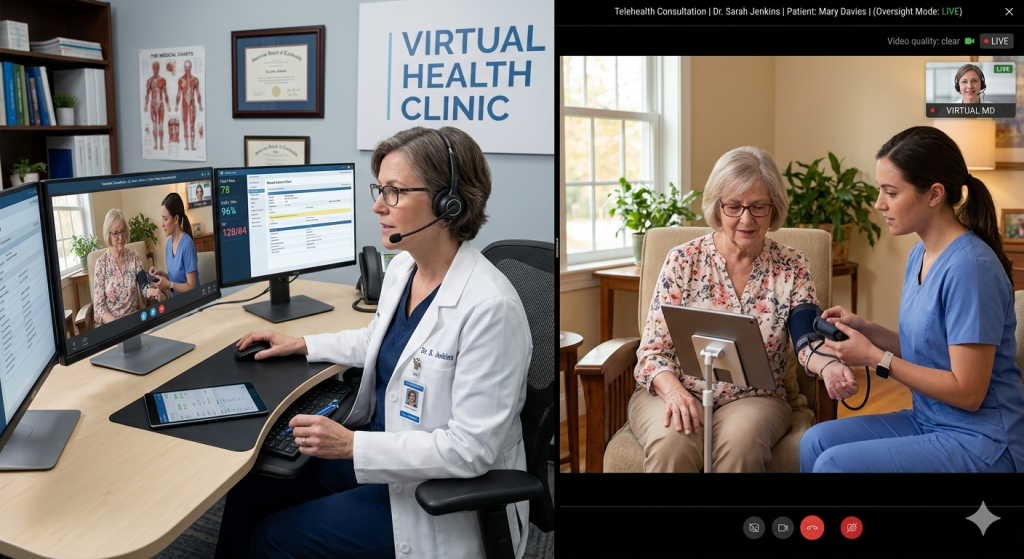
Virtual physicians can support oversight across multiple locations, depending on state regulations and supervision requirements, ensuring compliance and quality without being on-site full time.Quality Improvement Programs
Track metrics such as patient outcomes, error rates, and protocol adherence. Use continuous feedback loops to improve performance.Risk Assessment Tools
Tools such as audits, documentation reviews, and EHR tracking can help clinics identify and address risk areas.
 Dr. Lev Grinman is a board-certified neurologist and sleep medicine physician with a clinical focus on intraoperative monitoring. He brings clinical expertise to topics affecting physicians, patient care, and the operational realities of modern medical practice. Dr. Grinman lives in New York with his wife and three children.