
A virtual medical spa can bring appropriate aesthetic consultations, treatment planning, product guidance, and follow-up care into a client’s home through secure video visits. For nurse practitioners, physician assistants, and practice owners, the model can expand reach beyond a single waiting room while keeping hands-on procedures in the clinic where they belong.
Building one well takes more than choosing a video platform. The practice should decide which services truly fit a remote model, how technology will protect client information, and how physician oversight and licensing questions will be handled for each state served. The answers vary, so the plan should start with the practice’s own services, locations, and licenses.
This guide walks through the practical steps of defining a virtual medical spa, choosing services and technology, checking the regulatory picture, and connecting with the right physician support. If your practice is exploring medical director matching or a collaborating physician relationship, Doctors For Providers can help connect you with options after the model is defined.

What Is a Virtual Medical Spa?
A virtual medical spa is a business model that delivers part of the med spa experience remotely. The services that may translate well to video and messaging tend to be consultative: initial consultations, review of submitted photos where appropriate, treatment planning, product recommendations, and scheduled follow-ups.
Hands-on treatments such as injectables, laser procedures, microneedling, and chemical peels normally require an in-person visit. Many virtual medical spas run as hybrid practices, with remote consultations and planning supported by in-person treatment days at a physical location.
What a remote model can include
- Teleconsultations for appropriate aesthetic and wellness goals
- Review of submitted photos and treatment planning, where appropriate
- Skincare product guidance and follow-up check-ins
- Education, consent review, and preparation materials
- Documentation and records review between visits
- Coordination with a physical clinic or partner location for procedures
What usually stays in person
- Injectables and dermal fillers
- Laser and energy-based device treatments
- Microneedling and other skin-resurfacing procedures
- Chemical peels and other hands-on treatments
- Physical examinations that a state or board requires in person
Why a Virtual Medical Spa Model Matters for Owners
The appeal of a virtual model is practical. It can reduce dependence on a single physical location, allow clinicians to serve clients across a wider area, and create a more predictable consultation flow. For established med spas, adding virtual consultations can fill the calendar between in-person treatment days.
The model also creates new questions. Client location, state licensure, prescribing rules, privacy obligations, and physician oversight expectations can all change when a visit happens online. Owners who plan for these details before launch have a much smoother path than those who add telehealth as an afterthought.
Start with the exact services, the clinicians who will provide them, and the states where clients will be located. The technology, licensing, and physician-oversight questions follow from that list, not the other way around.
Services That Fit a Virtual Medical Spa
Not every med spa service belongs on a screen. The most successful virtual models build around services where conversation, photos, education, and planning drive most of the value.
Consultations and planning
Initial consultations may work well remotely when permitted and when the provider can appropriately review the information needed for the proposed service.
Skincare and product guidance
Product selection, usage instructions, and follow-up check-ins translate cleanly to video. Many practices combine product sales with virtual support as part of their services between procedures.
Follow-up and documentation
Scheduled follow-ups may allow the team to review reported or visible progress, answer questions, and document outcomes, while directing clients to in-person evaluation when appropriate.
Services that should not be forced online
Injectables, lasers, microneedling, and similar procedures involve hands-on delivery and ordinarily require the patient and treating clinician to be physically present together. A virtual medical spa should clearly distinguish services that can occur remotely from procedures that require in-person delivery.
Choosing Technology for a Virtual Medical Spa
The platform should fit the practice’s workflow, not the other way around. Compare tools on the features that matter for med spa consultations, and document the decision so the team knows why a platform was selected.
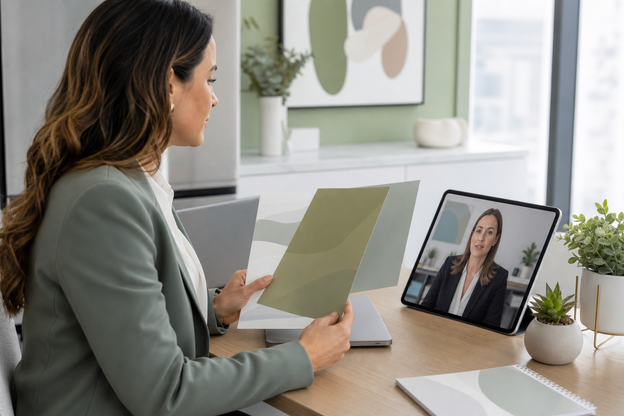
What to compare
- Secure video, messaging, and file sharing
- Scheduling, reminders, and waitlist management
- Consent, intake, and documentation tools
- Photo capture and secure storage for skin assessments
- Access controls, audit trails, and data retention
- Payment, packages, and e-commerce for products
- Vendor business associate agreements where HIPAA applies
Privacy considerations
Telehealth platforms are not all alike. Covered providers should review how a vendor handles protected health information, what agreements are in place, and how data is stored and shared. The HHS HIPAA and Telehealth resource explains the privacy and security considerations that apply to many telehealth arrangements. Practices should determine and document applicable telehealth consent requirements, which can vary by state and service. When consent is required or obtained, it should be communicated clearly and documented appropriately.
Licensing and Physician Oversight Considerations
The regulatory picture for a virtual medical spa can span more than one state. A client’s location at the time of a virtual visit can matter for licensure and scope questions, so the practice should review the rules for every state where it plans to serve clients.
Where to start
- The state medical board and the licensing board for every treating professional
- The NCSBN Find Your Nurse Practice Act tool for jurisdiction-specific nursing acts and regulations
- The AANP State Practice Environment for NP state practice context
- The AmSpa Medical Spa Laws State by State page for state-by-state med spa law summaries
- The CCHP State Telehealth Laws and Reimbursement Policies Report for telehealth law variation
- The APRN Compact site for multistate APRN compact model status
- The HHS Getting Started With Licensure page for telehealth licensure basics
Physician oversight and the virtual model
Physician oversight can be part of a virtual medical spa’s structure, but the shape depends on the state, the licenses involved, the services, and the practice model. A remote medical director may support an in-person clinic through protocol review, chart review, quality meetings, training, and virtual consultation. The physician may be offsite while consultations occur online and procedures occur in person.
Some states or boards may expect a collaborating physician or medical director relationship for certain clinicians or services. Others may not. The collaborating physician versus medical director guide explains how the roles differ, and the FAQs page covers common questions about physician relationships.
A healthcare attorney or qualified compliance advisor can help interpret the rules for a specific practice. Neither this article nor Doctors For Providers can determine what one state board will require.

Doctors For Providers can help practices explore medical director matching and collaborating physician options. The blog also includes practical articles on building and growing a practice. A consultation can clarify what information a physician will need to evaluate a proposed relationship.
 Dr. Lev Grinman is a board-certified neurologist and sleep medicine physician with a clinical focus on intraoperative monitoring. He brings clinical expertise to topics affecting physicians, patient care, and the operational realities of modern medical practice. Dr. Grinman lives in New York with his wife and three children.