

Establishing a clear timeline is the first step toward a successful partnership.
Launching a new clinical service or expanding into a new state is an exciting milestone for any healthcare provider, representing a significant step forward in your professional journey. To maintain this positive momentum, many clinicians find that early planning for physician collaboration is the key to a seamless transition. By understanding that the timeline for this process is flexible and influenced by factors like your specialty and regional regulations, you can strategically align your search with your practice’s growth goals. Many clinicians accelerate this process by working with a structured network that includes physician malpractice insurance in most collaborations and eliminates upfront matching fees.
Understanding the typical phases of this search can help you set realistic expectations for your practice launch. Whether you are seeking a remote medical director to support a telehealth venture or a long-term collaborator for a local clinic, timing is often the difference between a smooth opening and a delayed start.
What is a Collaborating Physician?
In the modern healthcare landscape, a collaborating physician is a licensed medical professional who enters into a formal agreement with a nurse practitioner (NP) or other clinician. This relationship can provide a framework for clinical consultation. Depending on your specific practice model, licensure, and state board regulations, this role may be required depending on state-specific regulations governing prescriptive authority and clinical oversight.
Why It Matters for NPs and Clinics
The search for the right partner is not just about meeting regulatory requirements. A well-aligned collaborator can provide clinical insights that enhance patient safety and operational efficiency. For many, finding a collaborating physician who understands the specific nuances of their practice area, such as medical weight loss or behavioral health, is a critical component of their professional foundation.
Factors That Influence Your Matching Timeline
So, how long does it take to find a collaborating physician? If you are searching independently, the process may take anywhere from several weeks to several months. However, working with a dedicated network can often reduce this timeline to just a few business days, often within 3 to 7 business days depending on state, specialty, and physician availability. In some high-demand states or specialized fields, even structured networks may require additional time to identify the right clinical fit.
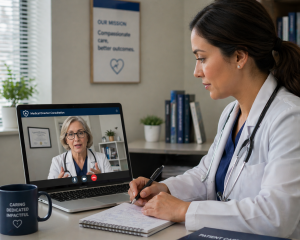
Specialty and Scope of Practice
Common specialties like Family Medicine or Internal Medicine typically have a larger pool of available physicians. If your practice requires a more specialized focus, such as urology or complex gastroenterology, the search may naturally take longer due to the limited number of providers who carry the necessary credentials and experience.
State Licensure and Regional Demand
Regulatory mandates regarding paperwork and physician-to-clinician ratios vary significantly. Because these limits are state-specific, it is important to verify the current capacity rules within your jurisdiction. In high-demand regions—such as California or Texas—finding an available physician who is not already at regulatory capacity can add time to your search.
"The right partnership is built on clinical alignment and regulatory readiness, not just a signed document."
Dr. Lev Grinman
Documentation and Vetting Requirements
The speed of your search is also dictated by how quickly credentials can be verified. This includes reviewing medical licenses, board certifications, and malpractice history. Developing a clear telehealth compliance strategy can support a more efficient onboarding phase. during the onboarding phase.
Legal and Compliance Considerations
While the timeline is a major concern, the compliance of the arrangement is paramount. It is important to note that laws regarding physician oversight and corporate practice of medicine (CPOM) vary significantly by state and may dictate ownership structure, supervision requirements, and permissible business arrangements.
Researching State-Specific Mandates
Providers can benefit from researching the specific statutes governing their practice within their state. Consulting directly with your state board of nursing or medicine allows you to align your practice with the most current local regulations.
Avoiding Common Mistakes
One of the most frequent causes of delay is a lack of clarity in the initial agreement. Rushing into a partnership without defining expectations for communication, chart reviews, or emergency availability could lead to friction later on. Taking the time to establish these parameters early may add a day or two to the initial setup but can help facilitate a more structured professional transition in the long run.
Learn how collaborating physician relationships work to set clear parameters from day one.
Getting the Right Support for Your Practice
For many clinicians, the most efficient way to manage the timeline is to utilize a professional matching service. This approach removes the burden of independently sourcing physicians and allows you to focus on clinical care while experts handle the sourcing and vetting. Speed matters—but long-term success depends on clinical alignment, communication expectations, and regulatory compliance.
Key Takeaway: Finding a collaborator can take months on your own, but professional matching services often connect you with a vetted physician in less than a week, often within 3 to 7 business days depending on state and specialty.
If you need a collaborating physician quickly, Doctors For Providers connects you with vetted physicians in as little as 3–7 business days—without upfront matching fees. Most collaborations also include physician malpractice insurance. Call (1-855-362-4776) or schedule a free consultation to get started.


Breaking It All Down
Finding the right clinical partner is a pivotal step that can define the operational tempo of your new practice. While the question of how long it takes to find a collaborating physician depends heavily on your unique specialty and state regulations, preparation remains your most valuable tool. By understanding the nuances of your local board requirements and ensuring your documentation is in order, you can navigate the matching process with greater confidence.
Securing a remote medical director or a long-term collaborator is about more than just meeting a deadline; it is about establishing a foundation of safety and mutual professional respect. Whether you choose to conduct an independent search or utilize a specialized matching network, focusing on clinical alignment will ensure your partnership remains productive for years to come.
Frequently Asked Questions
What is the general timeline for matching with a physician?
While an independent search can often take several months due to networking and vetting hurdles, utilizing a professional network typically shortens this window significantly. Most clinicians are successfully matched within 3 to 7 business days, depending on state regulations, specialty requirements, and physician availability.
Does my clinical specialty affect the matching speed?
Yes, the specific field of medicine plays a major role in how quickly a partner can be found. Primary care specialties like Family Medicine or Internal Medicine generally have a larger pool of available physicians, whereas specialized fields like urology or plastic surgery may require a more targeted and time-consuming search.
How does state-specific legislation influence the search process?
Each state has its own set of statutes governing physician oversight and ratios. Some states limit the number of clinicians a single physician can support, which can create high demand in certain regions and potentially extend the time it takes to find an available provider who has not yet reached their regulatory capacity.
What documentation is necessary to begin the matching process?
To keep the timeline moving efficiently, you should have your current professional license, NPI number, and a clear description of your intended scope of practice ready for review. Having these items organized allows the vetting team to verify your credentials and find a compatible physician match without unnecessary administrative delays.
Can a physician provide support if they are located in a different city?
Many arrangements utilize a remote medical director model, where the physician provides oversight via digital communication and periodic chart reviews. As long as the physician holds a valid license in the state where the clinical services are being provided, they may not necessarily need to be physically present in your local office.
What happens if a collaborative agreement is not established correctly?
If an arrangement does not align with state-specific board requirements, the practice may face regulatory scrutiny or delays in obtaining prescriptive authority. Compliance with state-specific board requirements is a nuanced process. Deferring to local statutes and consulting with medical-legal counsel can help you determine the specific structure that fits your professional needs.
Are there risks involved in rushing the search process?
Rushing into an agreement without a thorough vetting process maylead to clinical or administrative friction later on. Taking the time to ensure the physician understands your specific practice model such as medical weight loss or behavioral health prevents the need to find a new collaborator a few months down the road.
How do professional networks vet the physicians in their pool?
Physicians are typically vetted through a rigorous process that includes verifying board certifications, active state licensure, and malpractice history. This upfront work ensures that when a match is presented to you, the primary focus can be on clinical alignment and communication styles rather than administrative groundwork.
Is it possible to find a collaborator for a part-time or telehealth practice?
Yes, collaborative relationships are highly adaptable and can be tailored to support full-time clinics, part-time mobile services, or fully remote telehealth ventures. The flexibility of these agreements allows clinicians to scale their support based on the actual needs of their patient volume and service model.
How do I get started with the search for a collaborator?
The first step is often a consultation to define your specific needs, including your state, specialty, and the nature of your clinical services. Once these parameters are set, a matching service can scan their network to identify qualified physicians who are ready to support your practice, often resulting in a match within a few business days, depending on your state and specialty.
Offsite Resources For You
Resource Name | Source | Coverage |
AANP State Practice Map | Provides a detailed overview of the regulatory environment and practice authority levels for each state. | |
AMA Practice Management | Offers comprehensive guidance on physician leadership roles and clinical oversight standards. | |
FSMB State Board Directory | Allows providers to quickly locate and contact individual state boards to verify specific physician regulations. | |
NCSBN APRN Resources | Contains essential information regarding the Consensus Model and national standards for APRN licensure. | |
Telehealth Resource Centers | Supplies technical and regulatory guidance for providers establishing remote healthcare delivery models. | |
HRSA Workforce Data | Features statistical data on healthcare provider distribution to help identify regional demand and availability. | |
MGMA Advocacy | Focuses on the administrative and business side of managing a medical group or clinical practice. |
What's Next?
Establishing a solid collaborative relationship is a foundational step for many healthcare practices. Now that you understand the factors that influence how long it takes to find a collaborating physician, you can better plan your timeline for launch or expansion. The journey toward a successful, compliant practice begins with finding a partner who aligns with your clinical goals and professional values.
If you are ready to move forward without the long wait, Doctors For Providers is here to help. Our network is designed to connect you with qualified physicians quickly and efficiently, ensuring you have the support you need when you need it.
Learn more or call us today at (1-855-362-4776) or schedule a free consultation to get started.
Disclaimer: This post is for general information only and is not legal, medical, or compliance advice. Doctors for Providers offers collaborating physician and medical director services, but requirements can vary by state and practice type.
Dr. Lev Grinman is a board-certified neurologist and sleep medicine physician with a clinical focus on intraoperative monitoring. He brings clinical expertise to topics affecting physicians, patient care, and the operational realities of modern medical practice. Dr. Grinman lives in New York with his wife and three children.