
Find a Collaborating Physician for New Specialties Guide

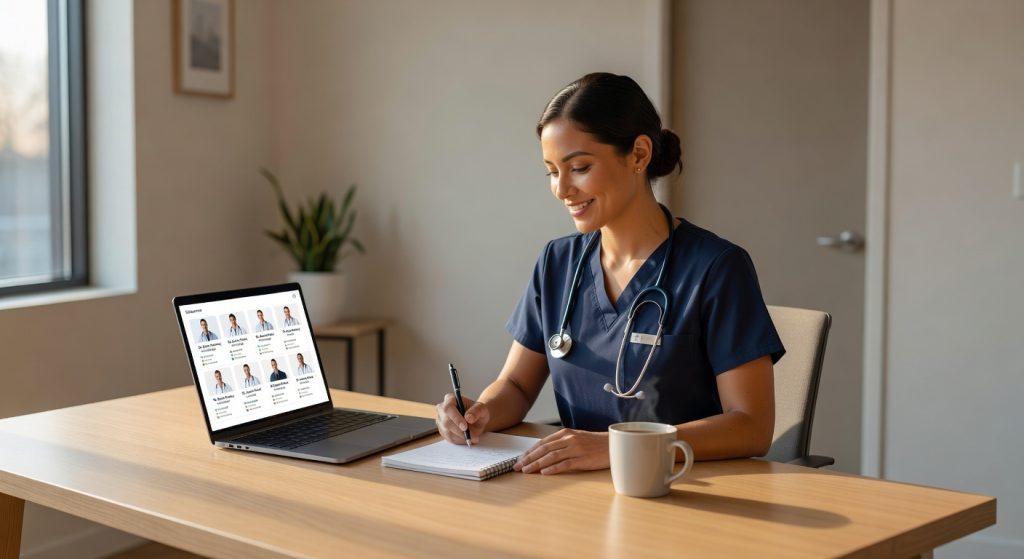
Nurse practitioner and physician remotely reviewing documents together in a modern clinic setting.
Finding the right collaborating physician can open doors for NPs and PAs expanding into new specialties.

Introduction

Expanding your practice into a new specialty is an exciting milestone, whether you are a nurse practitioner (NP) launching a weight management clinic or a physician associate (PA) moving into dermatology. But for many providers, the first practical question is the same: how do you find a collaborating physician for new specialties?

The process can feel unfamiliar, especially when stepping into an area with fewer established collaborative models. State regulations, specialty-specific requirements, and the challenge of matching with a physician who understands your scope of practice all come into play. Getting it right early can save months of delay and help you open your doors with confidence.

At Doctors For Providers, we have helped NPs and PAs across all 50 states connect with collaborating physicians aligned with their practice goals. Whether you are launching a telehealth clinic, an aesthetics practice, or a primary care office in a new state, understanding how to find a collaborating physician for new specialties is the first step toward a compliant, sustainable practice. For more insights on practice setup, you can browse our blog for additional resources tailored to new practice owners.

What Does It Mean to Find a Collaborating Physician for New Specialties?

When people search for how to find a collaborating physician for new specialties, they are often asking about more than just a name on a form. A collaborating physician is a licensed medical doctor who enters into a formal agreement with an NP or PA, providing a framework for clinical consultation and, depending on the state, varying levels of chart review.

The Role of a Collaborating Physician

A collaborating physician typically serves as a clinical partner, someone you can consult on complex cases or treatment decisions. Depending on your state and the terms of your agreement, the relationship may include periodic chart reviews, availability for phone consultation, or more structured meetings.

In many states, the collaborating physician does not need to be physically present at your practice site. A growing number of arrangements operate through a remote medical director model, where communication happens by phone, secure messaging, or telehealth platforms. This flexibility may be especially valuable for NPs and PAs launching practices in rural areas or telehealth-first practices.

How Collaboration Differs from Supervision

It is worth understanding how a collaborative agreement differs from a supervisory arrangement, because the two terms carry different legal and practical weight depending on your state. We covered this distinction in depth in our comparison of a collaborating physician vs. medical director, where we break down when each role applies and how states define them.

Key Distinctions in Collaborative Practice Models

In states with full practice authority, NPs may not be required to maintain a collaborative agreement, though many still choose to have one for clinical support or insurance credentialing purposes. In states with reduced or restricted practice, a collaborative agreement with specific terms is typically expected by the state board of nursing or medical board.

The distinction matters because assuming you need a supervisory relationship when a collaborative one will do, or vice versa, can lead to unnecessary expense or, worse, a compliance gap that puts your license at risk.

Why Finding the Right Collaborating Physician Matters for Emerging Practice Areas

New specialties present unique challenges that more established practice areas may not. If you are entering a field like functional medicine, hormone therapy, medical weight loss, or aesthetic medicine, you may find that fewer physicians have direct experience collaborating in that space.

New Specialties, New Compliance Considerations

Each specialty comes with its own standard of care, and a collaborating physician who is unfamiliar with yours may struggle to provide meaningful clinical support. For example, a physician whose background is exclusively in hospital-based internal medicine may not be the ideal fit for an NP launching a medical aesthetics practice, even if both are licensed in the same state.

A strong collaborative relationship starts with finding a physician who understands your scope and is comfortable with the procedures, medications, and treatment protocols your specialty involves. When the fit is right, the relationship supports both compliance and clinical quality.

The Growing Demand for Specialty NPs and PAs

The healthcare landscape is shifting. More patients are seeking care from NPs and PAs in specialized settings, from integrative psychiatry to regenerative medicine. As these fields grow, so does the need for physicians who are willing and qualified to collaborate in them.

According to labor market projections, employment of nurse practitioners is expected to grow significantly, with demand particularly strong in specialty care settings. This growth means that more providers than ever are searching for how to find a collaborating physician for new specialties, and the supply of experienced collaborators is tightening in certain fields.

"The right collaborating physician does not just sign your agreement. They strengthen your practice by being available, informed, and genuinely aligned with the care you provide."

Factors That May Influence Your Search for a Collaborating Physician

No two searches for a collaborating physician are identical. Several factors can influence how long your search takes, what it costs, and the agreement terms you can expect.

State-Specific Practice Regulations

Your state is the primary factor in what your collaborative agreement must include. Regulations vary widely, and what works in Arizona may not work in Florida or Texas.

States with Full Practice Authority

In states that grant full practice authority to NPs, such as Oregon, Colorado, and New Mexico, you may not need a collaborative agreement at all for licensure. However, you may still need one for credentialing with insurance panels, for Medicare enrollment, or simply to have clinical backup when complex cases arise.

States with Reduced or Restricted Practice

In states like California, Texas, and Florida, NPs and PAs may be required by their state board to maintain a collaborative or supervisory agreement with specific terms, including chart review percentages, communication protocols, and documentation standards. In these states, finding a physician who meets the board’s expectations and aligns with your specialty becomes more critical.

Specialty-Specific Requirements

Some specialties, particularly those involving controlled substances, procedures, or off-label medication use, may receive closer regulatory attention. A collaborating physician in these fields should be familiar with the prescribing guidelines, documentation standards, and liability considerations specific to your practice area.

Remote Medical Director and Telehealth Considerations

Female nurse practitioner on a video call with a collaborating physician, reviewing patient information on a tablet.
Remote medical director arrangements allow NPs and PAs to maintain collaborative relationships through virtual communication platforms.

Many practices today operate with a remote medical director rather than an on-site physician. This model can work well when both parties are comfortable with virtual communication, when the state permits remote collaboration, and when clear protocols are in place for handling urgent clinical questions.

If your practice is telehealth-based, or if you serve patients across state lines, your collaborating physician may need to hold licenses in multiple states or understand the interstate practice rules that apply to your model.


Key Takeaway: State regulations are the foundation of any collaborative agreement. Before you begin your search, review your state board's specific expectations for collaborative practice. A well-informed start can save weeks of back-and-forth later.

Common Challenges When You Find a Collaborating Physician for New Specialties

Even after identifying a potential collaborating physician, several hurdles can arise that are specific to new and emerging specialties.

Matching Specialty Alignment

Finding a physician whose clinical background matches your specialty can be difficult if your practice area is relatively new or niche. A physician with general internal medicine experience may be willing to collaborate, but they might not feel comfortable reviewing charts for aesthetic laser procedures or functional hormone protocols unless they receive additional orientation to your scope.

Transparency during the matching process is key: clearly describe your services, patient population, and the level of clinical support you expect from the relationship.

Navigating Documentation and Agreement Terms

A collaborative agreement is a living document. It should outline how often you communicate with your collaborating physician, what percentage of charts may be reviewed, how urgent consultations are handled, and what happens if either party wants to terminate the agreement.

State boards may have specific requirements for what the agreement must contain, and it is wise to confirm that your document meets those requirements. Working with a service that understands the documentation standards in your state can reduce the risk of submitting an incomplete or noncompliant agreement.

Managing Ongoing Communication

The relationship does not end once the agreement is signed. Ongoing communication, whether monthly phone calls, quarterly chart reviews, or ad hoc consultations, is what keeps the collaboration meaningful. A physician who is hard to reach or slow to respond can create risk, particularly if a patient issue arises that requires timely clinical input.


How to Stay Compliant When Working with a Collaborating Physician

Compliance in a collaborative relationship is ongoing and involves documentation, communication, and a clear understanding of what your state expects.

Documentation Best Practices

Keep records of every chart review, consultation call, and protocol update. If your state board audits your practice, having a clear paper trail demonstrates that your collaborative relationship is active and substantive, not just a name on a form.

Regular Chart Review Protocols

Many states specify a minimum percentage of charts that must be reviewed by the collaborating physician, often ranging from 5% to 20% depending on the practice type and state. Even if your state does not specify a required percentage, establishing a regular review cadence may help protect both you and your collaborating physician by catching potential issues early.

Understanding State Board Expectations

Each state board of nursing and board of medicine publishes guidance on what collaborative agreements should include. Reviewing these resources periodically is wise, because regulations can change. Several states have updated their practice authority laws in recent years, and staying informed helps you remain compliant.


Getting the Right Support for Your Practice

You do not have to navigate the search alone. Many NPs and PAs work with matching services that have nationwide networks and understand the compliance landscape across multiple states.

Working with a Nationwide Network

One of the biggest advantages of working with a service like Doctors For Providers is access to a nationwide network of physicians who are already vetted, licensed, and experienced in collaborative practice. This eliminates the most time-consuming part of the search: cold-calling physicians and explaining the collaborative model to those unfamiliar with it.

What to Look for in a Matching Service

When evaluating a matching service, consider the following:

  • Does the service operate in your state and understand its specific regulations?
  • Are the physicians in the network licensed in your state and carrying appropriate malpractice coverage?
  • Does the service handle the agreement documentation, or do you need to manage it yourself?
  • What happens if your matched physician retires or leaves the network?


At Doctors For Providers, our team has worked with hundreds of NPs and PAs across the country, including many launching new specialty practices. We understand that every practice is different, and we focus on making matches that fit your clinical focus, not just your state.

Breaking It All Down

Learning how to find a collaborating physician for new specialties can feel like a barrier, but it does not have to be. With a clear understanding of your state’s requirements, a realistic picture of what your specialty demands, and access to a network of experienced physicians, you can move from searching to practicing with confidence.


The right collaborating physician supports your growth, strengthens your compliance, and gives you a clinical partner you can rely on as your practice evolves. Whether your new specialty is medical weight loss, functional medicine, psychiatry, or any emerging field, the foundation is the same: a strong agreement, a qualified physician, and a clear plan for ongoing collaboration.

Confident NP standing at the entrance of her independent practice, representing a successful collaborative partnership.

Frequently Asked Questions

Explore our FAQs page for more answers to common questions about collaborating physicians and medical director services.

What is the difference between a collaborating physician and a supervising physician?

The distinction depends largely on your state’s regulatory framework. In many states, a collaborating physician enters into a less prescriptive relationship with the NP or PA, focused on consultation and periodic review. A supervising physician arrangement may involve more direct oversight and on-site presence. The terminology your state board uses matters, because it often determines the specific expectations your agreement must meet.

Timelines vary based on your state, specialty, and the availability of physicians in your area. Working with a matching service that maintains a nationwide network can often reduce the timeline to a matter of weeks rather than months, because the physicians are already vetted and familiar with the collaborative model.

Yes, in most cases. Many states allow a single physician to collaborate with multiple NPs or PAs, though some may place limits on the total number. The terms of each collaborative agreement are typically independent, and the physician must be able to fulfill the obligations outlined in each one.

Your agreement should include provisions for termination and transition. If your collaborating physician retires or relocates, you typically have a defined period to secure a replacement and notify your state board. Working with a matching service that can quickly provide a replacement physician may help minimize disruption to your practice.

A medical director and a collaborating physician serve different functions, though in some arrangements one physician may fill both roles. A medical director typically focuses on administrative oversight, policy development, and quality assurance. A collaborating physician provides clinical consultation and fulfills state-mandated collaborative requirements. Whether you need both depends on your state and practice model.

No. State regulations define what is expected, and the requirements range from minimal to quite detailed. Some states do not require a collaborative agreement for NPs at all, while others mandate specific chart review percentages, meeting frequencies, and agreement terms. It is always advisable to consult your state board for the most current guidance.

Yes. Collaborative agreements can be amended or terminated. If you find that your current collaborating physician is not the right fit, or if your practice needs change as you grow, you can transition to a new physician. Your agreement should define the process for termination, including any notice period and how patient care is managed during the transition.

Primary care, weight management, hormone therapy, aesthetics, psychiatry, functional medicine, and urgent care are among the specialties where NPs and PAs frequently seek collaborative relationships. However, the need depends more on your state and practice structure than on your specialty alone.

Compensation arrangements vary. Some physicians charge a flat monthly fee, while others structure compensation on an hourly or per-chart-review basis. The cost may depend on the complexity of your practice, your state’s requirements, and the physician’s specialty alignment. Transparent pricing and a clear agreement upfront help avoid misunderstandings.

The same state regulations that apply to in-person practices generally apply to telemedicine practices as well. If your state requires a collaborative agreement for your licensure level, that requirement typically stands regardless of whether you see patients in person or via telehealth. A medical director arrangement can work well for telehealth practices, provided the state permits remote collaboration.

Offsite Resources For You

The following organizations provide regulatory guidance, practice resources, and professional support that may be helpful as you establish or expand your practice:


Resource

Link

What It Covers

American Association of Nurse Practitioners (AANP)

Visit AANP

National NP organization with state practice environment maps and regulatory advocacy resources.

American Academy of Physician Associates (AAPA)

Visit AAPA

Professional society for PAs offering state law summaries and collaborative practice guidance.

Federation of State Medical Boards (FSMB)

Visit FSMB

Central directory for state medical board contacts and physician license verification tools.

National Council of State Boards of Nursing (NCSBN)

Visit NCSBN

Tracks nurse practitioner scope-of-practice regulations for all 50 states and U.S. territories.

Centers for Medicare & Medicaid Services (CMS)

Visit CMS

Federal guidance on billing, supervision rules, and enrollment requirements for non-physician providers.

Health Resources & Services Administration (HRSA)

Visit HRSA

Federal data on scope of practice policies and healthcare workforce development by state.

American Medical Association (AMA)

Visit AMA

National physician organization with state-level regulatory tracking and collaborative practice resources.

What's Next?

You now have a clearer picture of how to find a collaborating physician for new specialties, from understanding state regulations to identifying a physician aligned with your practice. The next step is taking action.

If you’re ready to connect with a collaborating physician or remote medical director, Doctors For Providers can help match you with the right fit. Our nationwide network includes physicians licensed in all 50 states, with physician malpractice insurance included in most collaborations and no upfront matching fees. You can schedule a free consultation here to get started, or call us today at 1-855-362-4776.

Disclaimer: This post is for general information only and is not legal, medical, or compliance advice. Doctors for Providers offers collaborating physician and medical director services, but requirements can vary by state and practice type.

dr lev grinman headshot Dr. Lev Grinman is a board-certified neurologist and sleep medicine physician with a clinical focus on intraoperative monitoring. He brings clinical expertise to topics affecting physicians, patient care, and the operational realities of modern medical practice. Dr. Grinman lives in New York with his wife and three children.