
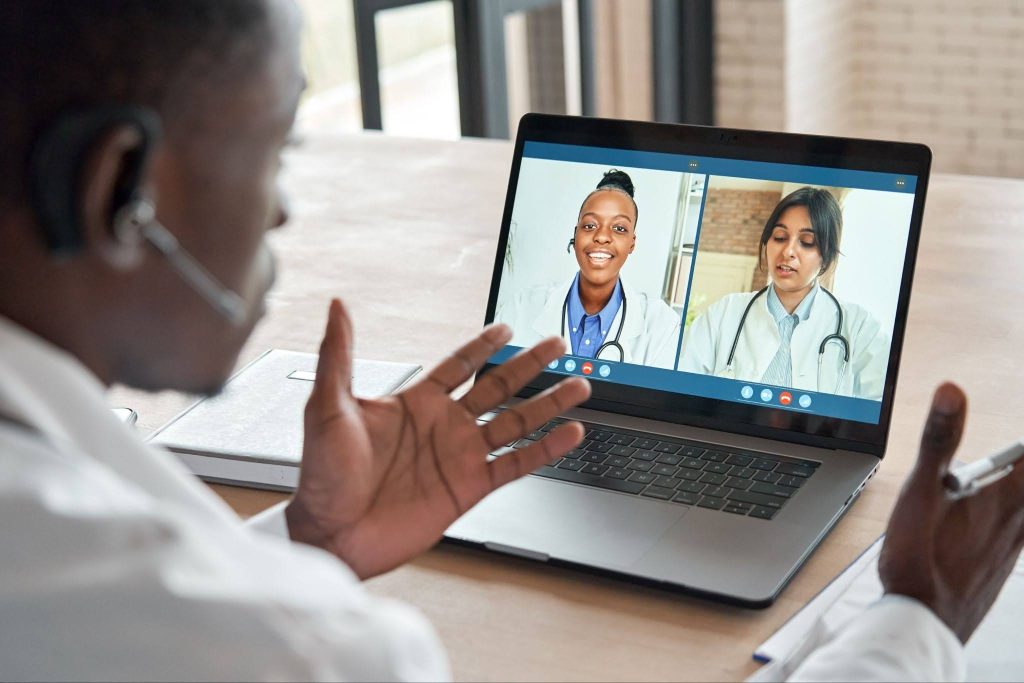
Healthcare delivery in 2026 continues to evolve at a rapid pace. Between the growth of telehealth, multi-state care models, and changing provider roles, clinical leadership structures are no longer as rigid as they once were.
For many clinics, nurse practitioners, and healthcare entrepreneurs, understanding medical director responsibilities is less about fitting into a predefined model and more about building a structure that aligns with how their practice actually operates. Depending on your state, specialty, and services, those responsibilities can vary significantly.
This shift has also contributed to the rise of the remote medical director, a model that allows practices to access clinical guidance without being tied to a single location. For those just beginning their research, exploring broader support options through the Doctors For Providers homepage can offer helpful context around how these models are structured today.
What Is a Medical Director in 2026
At a foundational level, a medical director is typically a licensed physician who contributes to the clinical direction of a healthcare organization. That said, the scope of the role has expanded well beyond traditional expectations.
How the Role Has Evolved
In earlier models, medical directors were often associated with in-person supervision. Today, the role frequently emphasizes structured collaboration, policy input, and quality-focused guidance.
As telehealth and distributed care teams continue to grow, the remote medical director model has become increasingly common. This approach may allow clinics to work with physicians remotely across different regions, depending on state requirements.
Core Purpose of the Role
While responsibilities can differ, the role often centers around:
- Supporting clinical consistency
- Contributing to internal policies
- Providing input on care delivery approaches
The exact structure may depend on your state board, services offered, and how your practice is organized.
Core Medical Director Responsibilities
Medical director responsibilities often sit at the intersection of clinical care and operational structure.
Clinical Guidance and Support
A medical director may review treatment protocols, depending on services and state requirements, offering input on complex cases, or helping refine care approaches over time. The level of involvement can vary depending on the clinic’s services.
Policy Development and Review
Policies serve as the backbone of many healthcare operations. A medical director may help develop and update policies to align with clinical workflows and expectations so they reflect current standards and workflows.
Quality Assurance and Continuous Improvement
Practices may rely on their medical director for insight into quality trends, patient outcomes, and areas where processes may be improved.
Collaboration With Providers
In clinics that include nurse practitioners or other clinicians, collaboration can play a key role. The structure of that collaboration often depends on state-specific frameworks.
Regulatory Awareness
Rather than acting as a legal authority, a medical director may support alignment with general clinical expectations and evolving standards. Because requirements vary by state, clinics should confirm details with qualified legal or regulatory professionals.
Remote Medical Director Responsibilities vs Traditional Models
The difference between traditional and remote models often comes down to how communication and workflows are structured.
Key Differences in Structure
Remote models rely on scheduled check-ins, digital documentation, and structured communication systems. Traditional models typically involve more on-site interaction, depending on the setup.
Advantages of a Remote Medical Director
Many clinics are exploring remote models because they can offer:
- Greater flexibility
- Access to a broader pool of physicians
- Scalability as the practice grows
Considerations Based on Your Situation
Responsibilities vary based on your state. If you’re comparing roles more closely, this breakdown of collaborating physician vs medical director differences can provide additional clarity.

Factors That Influence Medical Director Responsibilities
No two practices are exactly alike, which is why responsibilities are often shaped by multiple factors.
State-Level Considerations
Licensing rules, scope of practice, and collaboration frameworks can vary depending on your state. Clinics should review these elements before defining roles.
Type of Practice
Telehealth clinics often structure responsibilities differently than a med spa or primary care office. The services you offer often influence how involved a medical director may be.
Services Offered
Different services—from aesthetics to primary care—carry different expectations around clinical input and documentation.
Practice Size and Growth Stage
Startup practices often have different needs compared to a multi-location operation. As practices expand, responsibilities often evolve alongside them.
Common Mistakes Practices May Encounter
Even well-prepared clinics can run into challenges when structuring medical director roles.
Common issues include:
- Assuming responsibilities are the same across all states
- Limited documentation processes
- Misalignment between providers and leadership
- Inconsistent communication
Addressing these early helps support a more stable structure.
How Clinics Can Stay Aligned With Expectations
Rather than relying on assumptions, many practices take a more proactive approach.
This often includes:
- Establishing clear communication channels
- Reviewing policies periodically
- Maintaining organized documentation
- Consulting qualified professionals when appropriate
For ongoing insights, providers can explore updates published on the Doctors For Providers blog to stay informed as requirements and best practices evolve.
Getting the Right Support for Your Practice
Choosing the right structure often depends on understanding your specific needs.
Evaluating Your Practice Needs
Consider your services, patient volume, and long-term goals. These factors often shape what type of support may be most effective.
Benefits of a Remote Medical Director Model
A remote medical director can offer:
- Scalable clinical guidance
- Flexible communication options
- Alignment with modern care delivery models
Exploring Medical Director Support Options
If you’re considering how to implement this within your clinic, reviewing available Medical Director’s services can help you better understand how different models may be structured.
About the Team Supporting Your Practice
Behind any effective structure is a team that understands both clinical workflows and operational realities.
Learn more about the experience behind these models by visiting the Doctors For Providers team page
What Other Clinics Are Saying
Hearing how other practices have approached similar decisions can provide useful perspective.
Explore real feedback and experiences through client testimonials.

 Dr. Lev Grinman is a board-certified neurologist and sleep medicine physician with a clinical focus on intraoperative monitoring. He brings clinical expertise to topics affecting physicians, patient care, and the operational realities of modern medical practice. Dr. Grinman lives in New York with his wife and three children.